

Heat pump service for Ohio winters.
We install, repair and tune up heat pumps across Dayton and Cincinnati, on every major brand. A modern cold-climate unit will heat through an Ohio winter, and a dual-fuel setup hands off to your gas furnace on the worst nights.
Heat pump repair, installation and tune-ups for Dayton and Cincinnati homes. Efficient heating and cooling from one system, with upfront pricing.
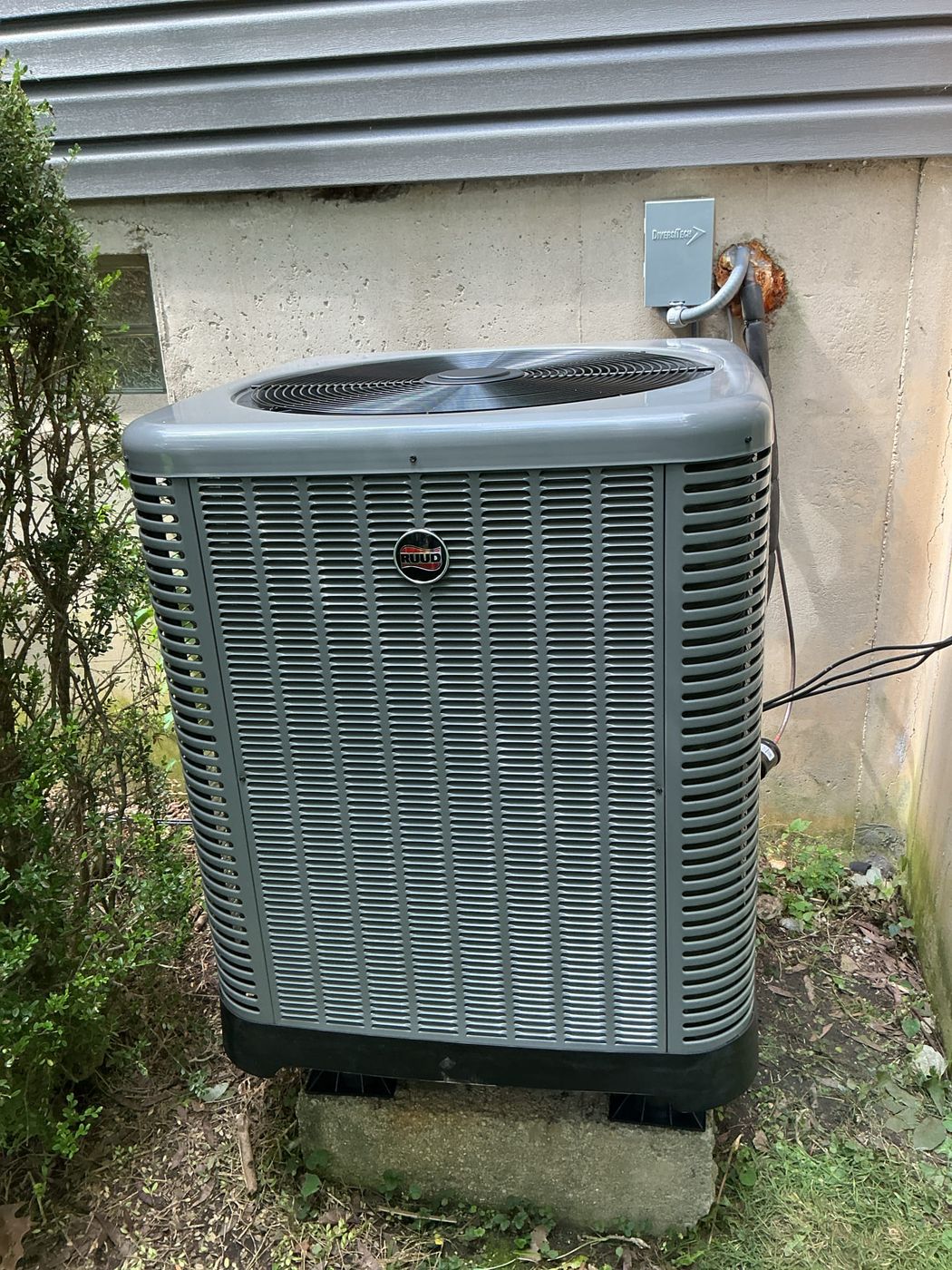
Signs it's time to call.
Repair, replace, or maintain — we handle it all.
Fast diagnostics for every make and model — approved by you before we start. Learn more →→ Heat Pump Installation
Right-sized, high-efficiency systems installed clean — with flexible financing options. Learn more →→ Heat Pump Tune-Ups
Twice-a-year checkups keep efficiency high — included with X-Plan. Learn more →→
Do heat pumps work in Ohio winters?
Yes. A heat pump moves heat rather than making it, and modern cold-climate models keep producing heat well below freezing, which covers most of an Ohio winter. On the coldest days a heat pump either leans on backup heat or, in a dual-fuel system, hands the job to a gas furnace.
We set dual-fuel systems to switch from the heat pump to your gas furnace at a chosen outdoor temperature, so whichever source is cheaper is the one running.
Which system fits best: heat pump, furnace or dual fuel?
It comes down to what fuel the house already has and how cold it gets where it sits. All-electric homes and homes without a gas line usually land on a heat pump. Homes with a working gas line often do best on dual fuel, which uses the heat pump most of the year and the furnace in a cold snap.
If your house already has a gas line, dual fuel is usually what we recommend: the heat pump covers mild weather and the furnace covers the coldest days.
Heat pump, gas furnace with air conditioning, and dual fuel compared for Dayton and Cincinnati homes.
| Factor | Heat pump | Gas furnace + AC | Dual fuel |
|---|---|---|---|
| Winter performance | Heats efficiently down to low outdoor temperatures, then leans on backup heat | Full heat output at any outdoor temperature | Heat pump handles mild and moderate cold, furnace takes the coldest days |
| Summer cooling | Included in the same outdoor unit | Handled by a separate air conditioner | Included in the same outdoor unit |
| Fuel needed | Electricity only | Natural gas plus electricity | Natural gas plus electricity |
| Equipment count | One outdoor unit, one indoor air handler | Furnace plus a separate condenser | Heat pump outdoor unit plus a gas furnace indoors |
| Backup heat | Electric resistance strips, or none on a cold-climate model with enough capacity | Not applicable | The gas furnace is the backup |
| Best fit | Homes with no gas line, and all-electric homes | Homes with very cold design temperatures and cheap gas | Homes with an existing gas line that want lower shoulder-season running costs |
| Operating cost | Depends on the local electric rate | Depends on the local gas rate | Lowest of the three when the switchover point is set correctly |
What is a cold-climate heat pump?
A cold-climate heat pump uses a variable-speed compressor that keeps producing usable heat at low outdoor temperatures instead of falling off a cliff near freezing. Standard models lose capacity earlier and lean harder on electric backup heat, which is the part that shows up on a January electric bill.
A cold-climate heat pump holds its heating capacity to a much lower outdoor temperature than a standard model, which is what keeps electric backup heat from running through an Ohio winter.
Standard and cold-climate heat pumps compared.
| Factor | Standard heat pump | Cold-climate heat pump |
|---|---|---|
| Compressor | Single-stage or two-stage | Variable-speed inverter |
| Heat output as it gets colder | Falls off sooner, closer to freezing | Holds capacity to a much lower outdoor temperature |
| Backup heat use | Runs electric resistance heat often through an Ohio winter | Runs backup heat rarely, mostly in the coldest snaps |
| Comfort | Noticeable temperature swings on cold days | Steadier supply air, longer run cycles |
| Best fit in this region | Shoulder-season heating with a gas furnace as the primary | Whole-winter heating, or dual fuel with a high switchover point |
What heat pump work do you handle?
Repair, replacement and seasonal tune-ups on every major brand, plus dual-fuel conversions for homes that already have a gas furnace. We test in both heating and cooling mode, which matters because your heat pump runs about twice the hours an air conditioner does.
A visit without surprises.
What are the signs a heat pump is failing?
Air that never reaches the set temperature, ice that stays on the outdoor unit after a defrost cycle, running constantly or short cycling, grinding or squealing, and a jump in the electric bill that usually means backup heat is running when it should not be. Each of those is diagnosed on our heat pump repair page.
How long does a heat pump last?
Twelve to fifteen years is normal, a little shorter than an air conditioner because a heat pump runs year-round instead of four months. Annual servicing matters more here than on any other system in the house for exactly that reason, which is what the X-Plan maintenance membership is built around.
How do I book heat pump service?
Call (844) 584-7399 or schedule online, and you get an arrival window up front. Most calls are handled the same day, and a house with no heat gets the emergency line at any hour. Replacement estimates book the same way, through heat pump installation.
What else do homeowners ask about heat pumps?
Last updated
