

Sump pump and battery backup installation in Dayton & Cincinnati.
Primary pumps, battery backups and high-water alarms. We size against your pit, how high the discharge has to lift and how fast water comes in, rather than the horsepower on the box. An oversized pump short-cycles itself to death.
The week after a storm is when everyone calls. The week before is when it is cheap to fix.
When installation beats another repair.
When is it time to replace a sump pump instead of repairing it?
At about seven years, regardless of how it sounds. Also when the motor or impeller has failed, when the pump cycles constantly because it is undersized, when the basement is finished and the consequence of a failure has changed, or when there is no backup and the power goes out in storms. Where the fault is a float or a check valve, repairing it is the cheaper call.
What size sump pump do I need?
Not the biggest one on the shelf. Sizing works from three things: how much water the pit takes in during a real rain event, how high the discharge has to lift it, and how far it runs horizontally. An oversized pump short-cycles and wears out early. An undersized one loses the race.
Those three numbers are what we work from, under Ohio plumbing license #13557. The horsepower on the label tells you almost nothing on its own.
What does a sump pump installation include?
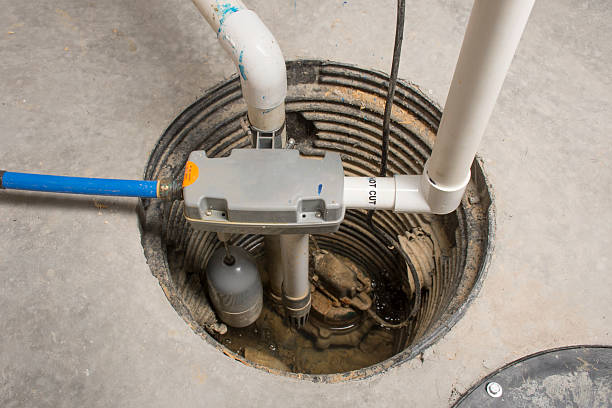
The old pump comes out, the pit is cleaned of the silt and gravel that shortens pump life, the new pump is set with a new check valve and correctly routed discharge, a high-water alarm goes in, and the whole system is flood-tested through repeated full cycles before anyone leaves. Battery backups get tested on battery, not just on line power.
That last bit matters. A backup that has only ever been tested plugged in has not been tested at all.
How does a battery backup sump pump work?
A second pump sits above the primary in the same pit, wired to its own battery and charger. When the power fails or the primary cannot keep up, the backup starts on its own. Runtime depends on the battery and how often the pump has to cycle, which is why the battery is the part to check annually.
A visit without surprises.
Should I add a water alarm or a second pit?
A high-water alarm is inexpensive and tells you a pump has stopped keeping up before the water reaches the floor. A second pit is a bigger conversation and belongs to homes with genuine inflow problems rather than pump problems. We will say which one you have. The sump pump services overview covers the pump types side by side.
Where does the discharge line go?
Away from the foundation, and not into the sanitary sewer. Storm water dumped into a sanitary line is a common cause of basement backups during heavy rain and it is prohibited in most local jurisdictions. Discharge routing is part of the install, including freeze protection on the exterior run.
How long does the installation take?
A straight replacement in an existing pit is a few hours. Adding a battery backup, replacing the discharge line or cutting a new pit takes longer. We usually schedule within a day or two of the quote. Call (844) 584-7399, or see financing on larger jobs. Every visit is a licensed Ohio plumber.
What else do homeowners ask before installing a pump?
Last updated
