

Whole-home air quality solutions for Dayton & Cincinnati.
Five kinds of equipment: media filtration, UV purification, humidifiers, dehumidifiers and fresh-air ventilation. Each one fixes a different problem, so we measure yours first and check the readings again afterwards.
Filtration, UV purification, ventilation and humidity control, matched to your home's measured problem rather than sold as a package.
Match the fix to the problem.
Which air quality equipment fixes which problem?
Every piece of equipment on this page targets one thing well and most other things badly. A UV lamp is excellent against biological growth on a cold, wet evaporator coil and does nothing for dust. A media filter is the opposite. Matching the equipment to the complaint that prompted the call is most of the work, which is where indoor air quality services in Dayton and Cincinnati starts.
There are five categories of equipment here and each one is aimed at a different problem, which is why buying before you know the problem usually disappoints.
Indoor air quality equipment: what each option targets.
| Option | What it targets | Where it installs | Service interval |
|---|---|---|---|
| 1-inch pleated filter | Lint, larger dust, and coarse pollen | The return grille or the filter slot at the air handler | Changed every 1 to 3 months |
| 4-inch or 5-inch media air cleaner | Fine dust, dander, and pollen, at a higher MERV without choking airflow | A cabinet added on the return side of the air handler | Changed every 6 to 12 months |
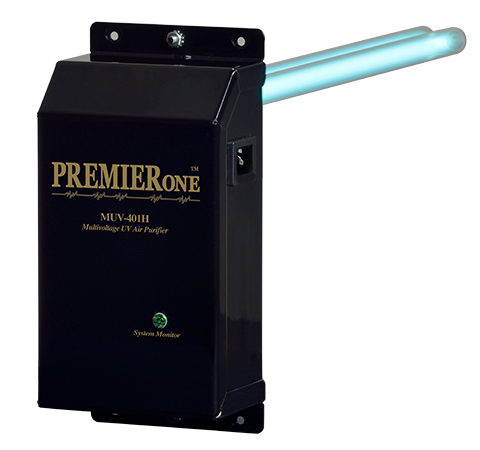
| UV lamp | Biological growth on the evaporator coil and in the drain pan | Inside the air handler, aimed at the coil | Lamp replaced about every 12 months |
| Carbon filtration | Cooking odors, smoke, and some volatile organic compounds | In the media cabinet or a dedicated section of return duct | Media replaced on the manufacturer's schedule |
| Whole-home humidifier | Dry winter air below 30% relative humidity | Mounted on or bypassed across the furnace, plumbed to a water line | Pad replaced each heating season |
| Whole-home dehumidifier | Summer humidity above 50%, and damp basements | Ducted alongside the air handler, or standalone in the basement | Filter checked twice a year |
| Fresh-air ventilation | Stale air and carbon dioxide buildup in tightly built homes | A dedicated duct from outdoors into the return | Damper and filter checked twice a year |
Do UV lights in an HVAC system work?
Against biological growth on the evaporator coil and in the drain pan, yes, when the lamp is sized and aimed correctly. A cooling coil is cold and wet all summer, which is exactly where mold grows in a duct system. UV does not remove dust, dander, or pollen, so a UV lamp sold as an allergy fix is being sold for the wrong job. Why indoor air quality matters covers what indoor air actually carries.
What MERV rating can my system handle?
The highest one the duct system can move air through. A 1-inch slot on a residential furnace generally tops out around MERV 8 to 11. Pushing MERV 13 through a 1-inch filter raises static pressure, drops airflow, and can freeze the coil in summer or trip the high limit in winter. More of this ground is covered in the indoor air quality FAQ.
The upgrade that makes higher MERV safe
A 4-inch or 5-inch media cabinet has far more filter surface area, so it holds a higher MERV at a lower pressure drop. That cabinet, rather than a thicker filter in the same slot, is what makes MERV 13 realistic in a house. A leaky return pulls unfiltered air in past all of it, which is why air duct cleaning and sealing come first.
Do I need a whole-home humidifier or a dehumidifier?
In the Dayton and Cincinnati metros, most homes need both at different times of year. Winter heating drives indoor relative humidity below 30%, which is what causes static, cracked trim, and dry sinuses. Summer pushes basements above 50%, which is where musty smells and mold start. Whole-home humidifier services cover the winter half.
The number to aim at
Indoor relative humidity between 30% and 50% is the range that keeps mold, dust mites, and dry air problems all in check at once. Anything held above 60% for long enough feeds mold growth.
A visit without surprises.
How long does an air quality install take?
Most filtration, UV, and humidifier installs are a single visit, often the same week as the call. A whole-home dehumidifier or a fresh-air ventilation duct is a longer job because it involves cutting into the duct system. Filter and pad changes at the seasonal visits come with the X-Plan maintenance membership.
How do I book an air quality assessment?
An assessment is booked by phone at (844) 584-7399 or online. The visit measures humidity and airflow, checks the existing filtration and the duct system, and produces a recommendation with upfront pricing before anything is installed.
What else do homeowners ask about air quality equipment?
Last updated
