

Tune-ups that keep breakdowns out of Blue Ash
We tune up furnaces and air conditioners every season in Blue Ash, Ohio. You get a written report and photos for your warranty records. Most calls get handled the same day, and someone answers the emergency line at any hour.
Seasonal furnace and AC maintenance for Blue Ash homes — done right, documented for your warranty, and automatic if you're on the X-Plan.
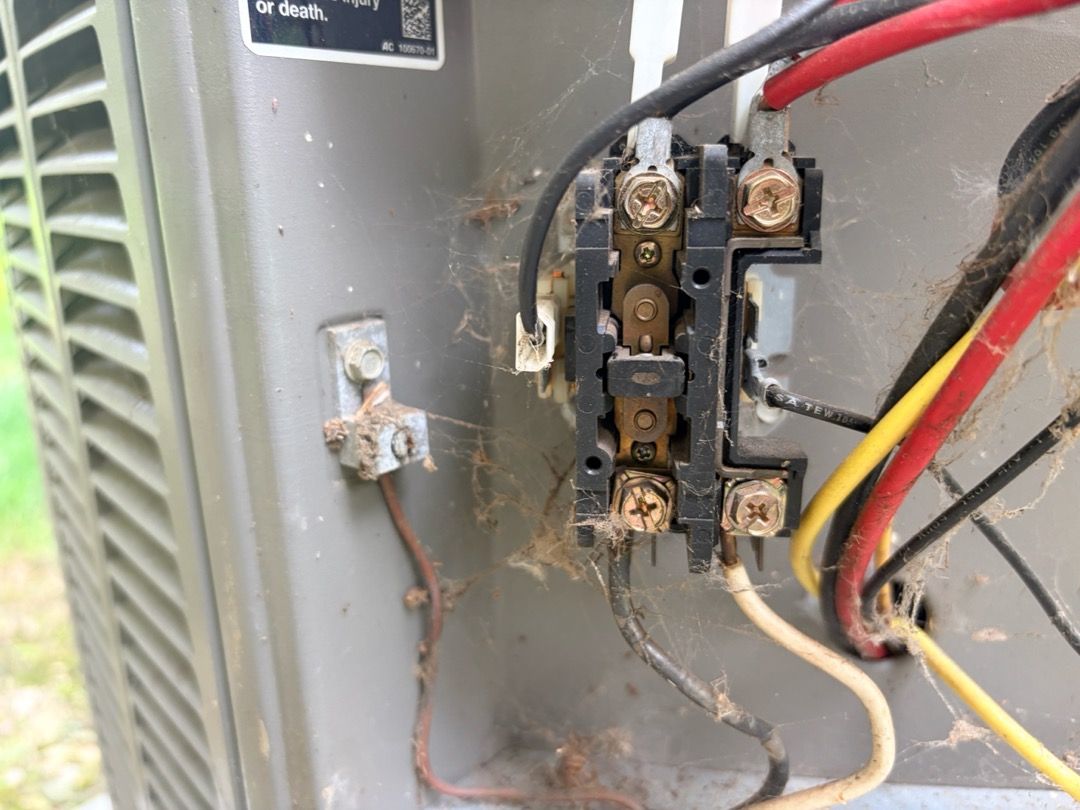
Not a once-over. A real inspection.
We have two systems. Do both need visits?
Yes, and they usually need them at different times for different reasons. In most two-system houses one serves upstairs and one down, and the upstairs unit works considerably harder in summer while the downstairs one carries more of the winter. They also tend to be different ages, because they rarely fail together. Treat them as two pieces of equipment with two sets of readings rather than one appointment, because the older one is where the next decision is going to come from.
I skipped a year. Does that matter?
One skipped year is not a disaster, and nobody should pretend otherwise. What it costs you is the comparison: a technician arriving with no prior readings is looking at a snapshot rather than a trend. The two things worth checking sooner rather than later after a gap are the condensate drain, which blocks quietly and can overflow into a ceiling, and the flame sensor, which fouls gradually and eventually stops the furnace lighting on the first cold night of the year.
Does my warranty require annual maintenance?
Most manufacturer warranties do, and it is the part people find out about at the worst moment. The parts warranty on a new system typically requires documented annual service by a licensed contractor, and a compressor claim is exactly when someone asks for those records. Keep the invoices, or let whoever services it keep them for you. This is the single cheapest reason to maintain a system that is running perfectly well and does not feel like it needs anything.
What should a tune-up leave me with?
Numbers. Temperature rise across the furnace, static pressure in the ductwork, superheat and subcooling on the air conditioner, amp draws, and a combustion reading at the flue. Ask for them, and keep them. One year of readings tells you the system is fine today. Three years of readings tells you the compressor is drawing more than it used to and the refrigerant charge is drifting, which is the difference between replacing a part in April and replacing a system in July.