

Breathe easier, Fairborn
We install filtration, humidity control and ventilation equipment in Fairborn, Ohio. We measure humidity, particulates and ventilation before recommending anything. Most calls get handled the same day, and someone answers the emergency line at any hour.
Filtration, purification, and humidity control for allergy season, dry winters, and everything the Miami Valley air brings inside.
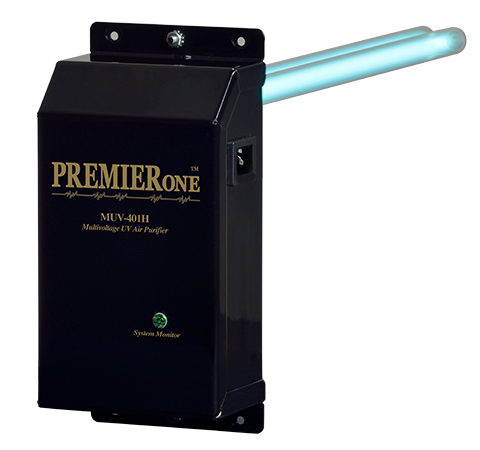
Matched to your air, not a catalog.
What is the difference between CO and CO2 in a house?
Carbon monoxide is the dangerous one and comes from incomplete combustion: furnaces, water heaters, fireplaces, a car in an attached garage. It has no smell and it needs alarms. Carbon dioxide is what people exhale, and while it is not toxic at household levels, a room where it climbs is a room that is not being ventilated, so it is a useful proxy for stale air. Alarms are for the first. The second is a ventilation question rather than a safety one.
The basement smells musty and it is spreading upstairs.
Basements run cooler, so humid summer air condenses down there, and anything the air handler pulls in gets distributed to the whole house. Measure the relative humidity before doing anything else. Above about 60% the answer is dehumidification and finding where the water is coming from, not air freshening. Check the obvious sources first: grading and downspouts outside, an uninsulated cold-water line sweating, and a condensate drain that is discharging where it should not.
Can a house be too airtight?
It can be too airtight without deliberate ventilation, which is not the same as saying tight houses are bad. A leaky old house ventilates by accident, expensively and unevenly. A tight modern one holds humidity, cooking byproducts and everything else indoors until something removes them on purpose. That is what mechanical fresh air is for, and it is why newer houses sometimes feel stuffy despite being far better built. The answer is controlled ventilation rather than deliberately making the shell leak.
Everything is static and the wood floors are gapping.
That is winter dryness, and it is a real air quality problem rather than an inconvenience. Cold outdoor air carries almost no moisture, so every air change in January leaves the house drier. Below about 30% relative humidity you get static, cracked skin, irritated airways and gaps opening in flooring and trim. A whole-house humidifier on a humidistat handles it more evenly than portable units. Do not simply run it high: too much moisture in a cold snap condenses on windows and inside exterior walls.