

Plumbers in Kettering, Ohio: repairs, water heaters and drains
We handle water heaters, drains, leaks and sewer lines in Kettering. This is one of only four Montgomery County cities that runs its own plumbing inspection instead of the county program. We answer the emergency line at any hour.
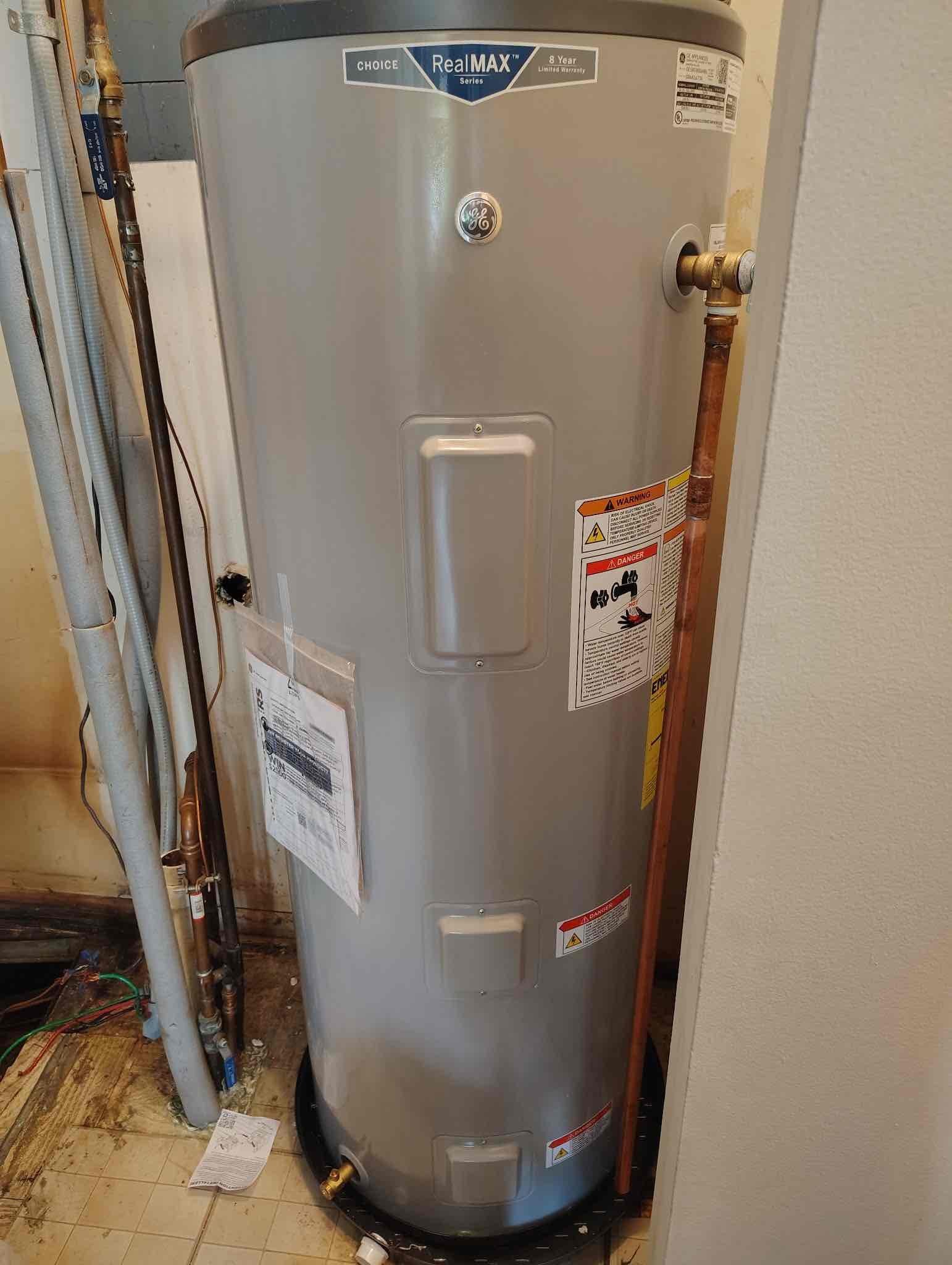
The same team you trust with your furnace now handles water heaters, drains, leaks, and sump pumps — with the same upfront pricing.
What plumbing work do you handle?
Our plumbers are licensed in Ohio, license #13557.
Which water supply covers a Kettering address?
Most of the city runs on the Montgomery County and Dayton regional supply, but small parts of Kettering are Greene County Sanitary Engineering customers and went through the January to March 2025 softening changeover, from 27 grains per gallon to about 8. Softener advice that is right on one side of that line is wrong on the other.
Do plumbers need to be registered with the City of Kettering?
Yes. Sub-trades are regulated by the Ohio Construction Industry Licensing Board, and Kettering requires plumbers to register with the city on top of that. Permits go through the Access Kettering portal, and work done without one is subject to a stop-work order, a notice of violation, double permit fees and removal of the work.
Can tree roots really get into a sewer line?
Routinely, and older neighborhoods see it most because the mature trees and the clay tile sewer lines arrived together. Roots do not break into a sound pipe. They find a joint that is already weeping and grow toward the water, then thicken until the line catches paper and grease. The signs are more than one fixture backing up at once, gurgling from a toilet when the washer drains, and a lawn that is greener in a line across the yard. Cutting them clears it; whether the line then needs lining or replacing is a camera question, not a phone one.
The water bill jumped and nothing looks wet. What now?
Read the meter with everything in the house off. If it is still moving, you have a leak on the pressurised side and it is running somewhere you cannot see, usually under a slab, behind a wall, or in the line between the meter and the house. Before assuming the worst, rule out the toilets: a flapper that is not seating will run silently and waste more water than most people believe. Put a few drops of food coloring in the tank and wait twenty minutes without flushing. Color in the bowl means you found it.
How do I know the sump pump will work when I need it?
Test it rather than trusting it, because a sump pump sits idle for months and then has one job. Pour a bucket of water into the pit slowly and watch: the float should rise, the pump should start, the water should drop, and it should shut off cleanly without chattering. Do that in early spring and again before winter. The two failures worth planning for are a stuck float, which is cheap, and a power cut during the storm that needed the pump, which is what battery backup exists for.
My house has old galvanized pipe. Does it all have to go?
Not necessarily all at once. Galvanized supply line rusts from the inside, so the bore narrows over decades until flow suffers and the water runs brown after the house has sat empty. Whether it wants full repiping or a partial depends on how much has already been replaced by previous owners, which is usually more than people expect. A look at the exposed runs in the basement tells you a lot for free. Where repiping is the right answer, it is worth doing before a remodel rather than after.
Same trucks. Same standards. Now with pipes.
- ✓Licensed and insured plumbers on every job.
- ✓Same-day water-heater swaps in most cases.
- ✓On camera drain and sewer work you can see for yourself.
How do I book a plumber?
Call (844) 584-7399 and you get a person, or book online in about a minute. If it's an emergency, no heat or water on the floor, call rather than booking. That skips the next-day queue and goes straight to the 24/7 line.