

Tune-ups that keep breakdowns out of Miamisburg
We tune up furnaces and air conditioners every season in Miamisburg, Ohio. You get a written report and photos for your warranty records. Most calls get handled the same day, and someone answers the emergency line at any hour.
Seasonal furnace and AC maintenance for Miamisburg homes — done right, documented for your warranty, and automatic if you're on the X-Plan.
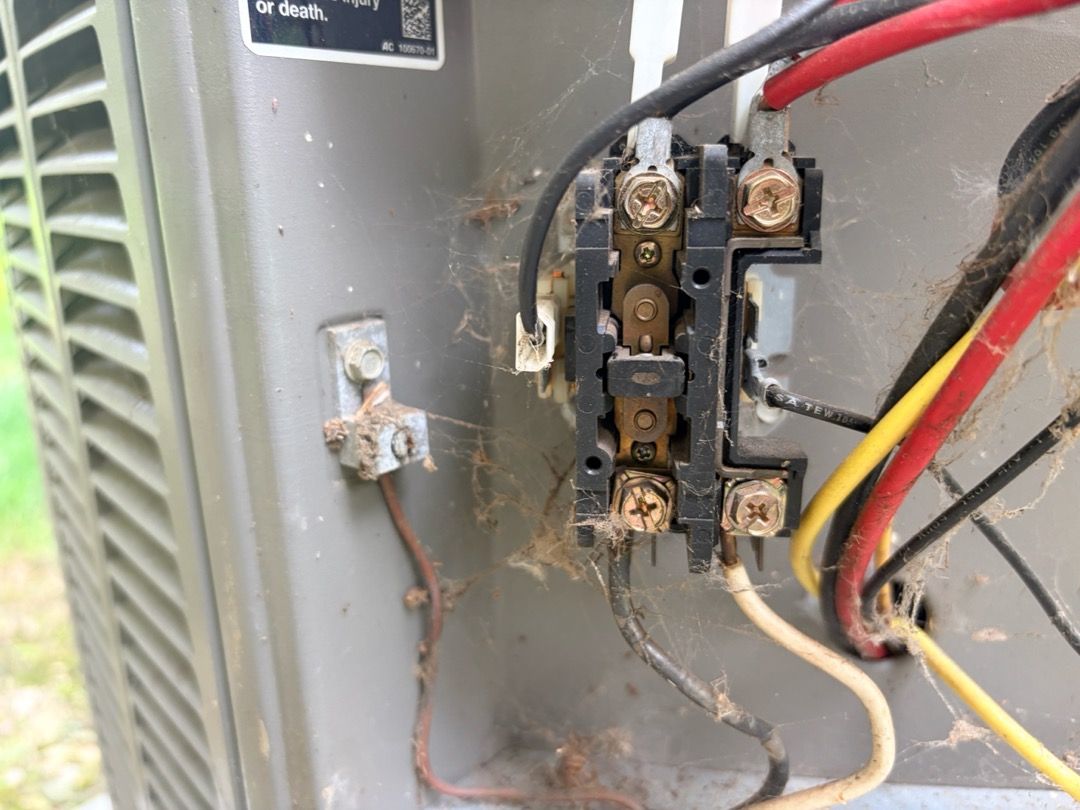
Not a once-over. A real inspection.
The system is old. Is maintenance throwing good money after bad?
Not if it is buying you information. On a system past fifteen years, the purpose of a visit shifts: less about extending life and more about knowing where you stand before winter, so a replacement is a decision you make in September rather than one made for you in January. Ask directly for an assessment of how much life is realistically left. A straight answer to that is worth more than the tune-up itself.
When should I book, to avoid the rush?
Late winter for the cooling visit and late summer for the heating one, which feels a season early and is exactly the point. Book in April and you are competing with everyone whose air conditioner just failed. Book in February and you get the appointment window you actually want. It also means a problem found in the tune-up gets fixed with time in hand, rather than becoming a decision made in a hot house with a technician standing there.
Why twice a year rather than once?
Because heating and cooling are two different machines sharing a cabinet, and they fail at opposite ends of the year. A spring visit is about the condenser, the refrigerant charge and the condensate drain before the first heat wave. An autumn visit is about combustion, the heat exchanger and the safeties before the first hard freeze. Doing one visit in between gets you half of each at the wrong time of year. If you only ever do one, make it autumn: a no-cool night is uncomfortable and a no-heat night can freeze pipes.
I skipped a year. Does that matter?
One skipped year is not a disaster, and nobody should pretend otherwise. What it costs you is the comparison: a technician arriving with no prior readings is looking at a snapshot rather than a trend. The two things worth checking sooner rather than later after a gap are the condensate drain, which blocks quietly and can overflow into a ceiling, and the flame sensor, which fouls gradually and eventually stops the furnace lighting on the first cold night of the year.