

Northgate heating help, extremely fast
We repair and replace gas, electric and oil furnaces, and heat pumps in Northgate, Ohio. Any brand, any age, diagnosed and quoted before we start. Most calls get handled the same day, and someone answers the emergency line at any hour.
Furnace repair, replacement, and heat pumps from techs who've worked every kind of Cincinnati-area home — with a 24/7 line for the January no-heat call.
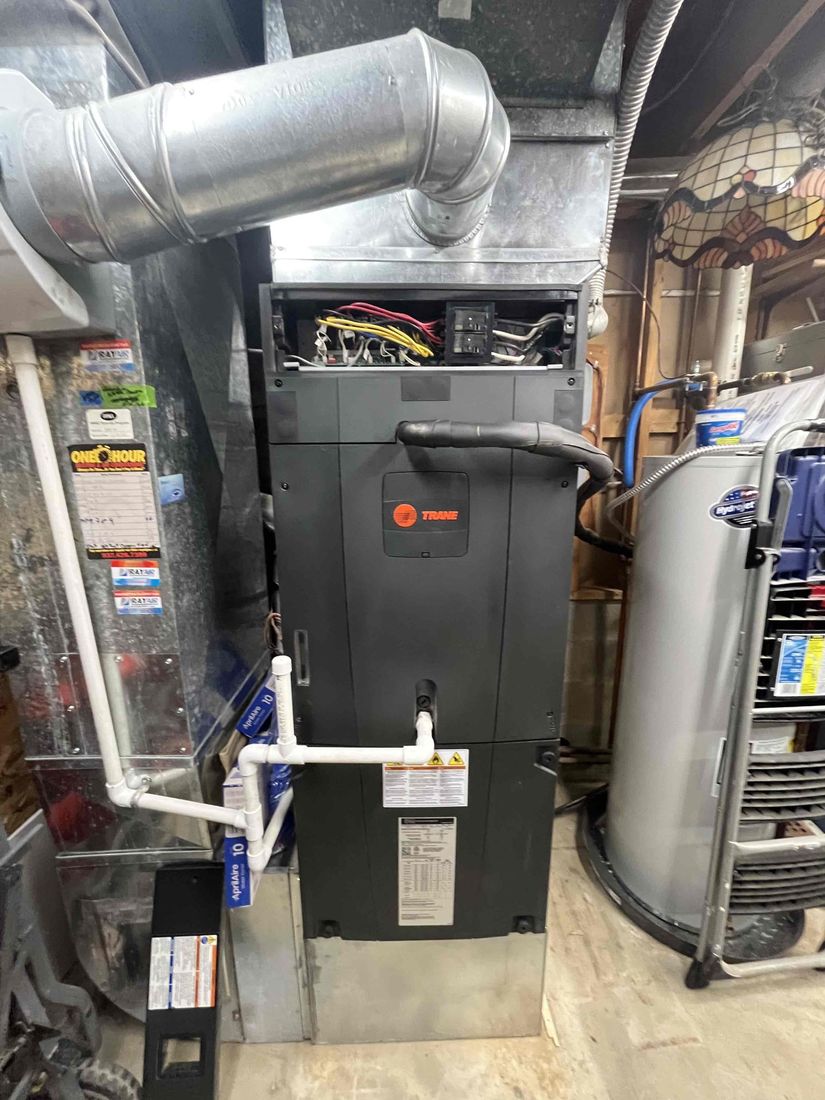
Every way a Northgate home stays warm.
Why does the furnace blow cool air when it first starts?
Because the burners light before the blower does, on purpose. The furnace gives the heat exchanger thirty seconds or so to warm up before it moves air across it, so the first air out of the vents is whatever was sitting in the ducts. If the cool air lasts longer than a minute or two, or the blower runs without the burners ever lighting, that is different: it usually means the furnace tried to fire and a safety stopped it, and it will keep retrying until it locks out.
Is a 96% furnace worth the extra money over an 80%?
It depends on what the swap actually involves, not on the badge. Going from 80% to 96% means the flue changes: a condensing furnace vents in PVC out a side wall and produces condensate that needs a drain, so the job grows beyond the equipment. In a house that already has a condensing furnace, the upgrade is straightforward and the gas saving is real. In a house venting up a masonry chimney shared with a water heater, taking the furnace off that chimney can leave the water heater venting badly, and that has to be solved as part of the same job.
Where should carbon monoxide alarms actually go?
One on every floor, and one within about fifteen feet of each sleeping area, because the whole point is waking someone up. They do not need to be at floor level; carbon monoxide mixes with air rather than sinking. Keep them a few feet clear of the furnace itself so brief startup readings do not nuisance-trip them. Replace the units on the date printed on the back, because the sensor has a service life whether or not it has ever sounded. If one goes off and then stops, treat it as real and get the furnace checked.
Why is the house so dry in winter, and does a humidifier help?
Cold outdoor air holds very little moisture, so every air change your house makes in January swaps damp indoor air for dry. The furnace does not cause it, it just moves it around. What you notice is static, dry skin, and gaps opening in hardwood floors and trim that close again in summer. A whole-house humidifier plumbed into the ductwork handles it more evenly than portable units, and it wants a humidistat rather than a fixed setting, because running too wet in a cold snap puts condensation on the inside of your windows.