

Riverside heating help, extremely fast
We repair and replace gas, electric and oil furnaces, and heat pumps in Riverside, Ohio. Any brand, any age, diagnosed and quoted before we start. Most calls get handled the same day, and someone answers the emergency line at any hour.
Furnace repair, replacement, and heat pumps from techs who've worked every kind of Miami Valley home — with a 24/7 line for the January no-heat call.
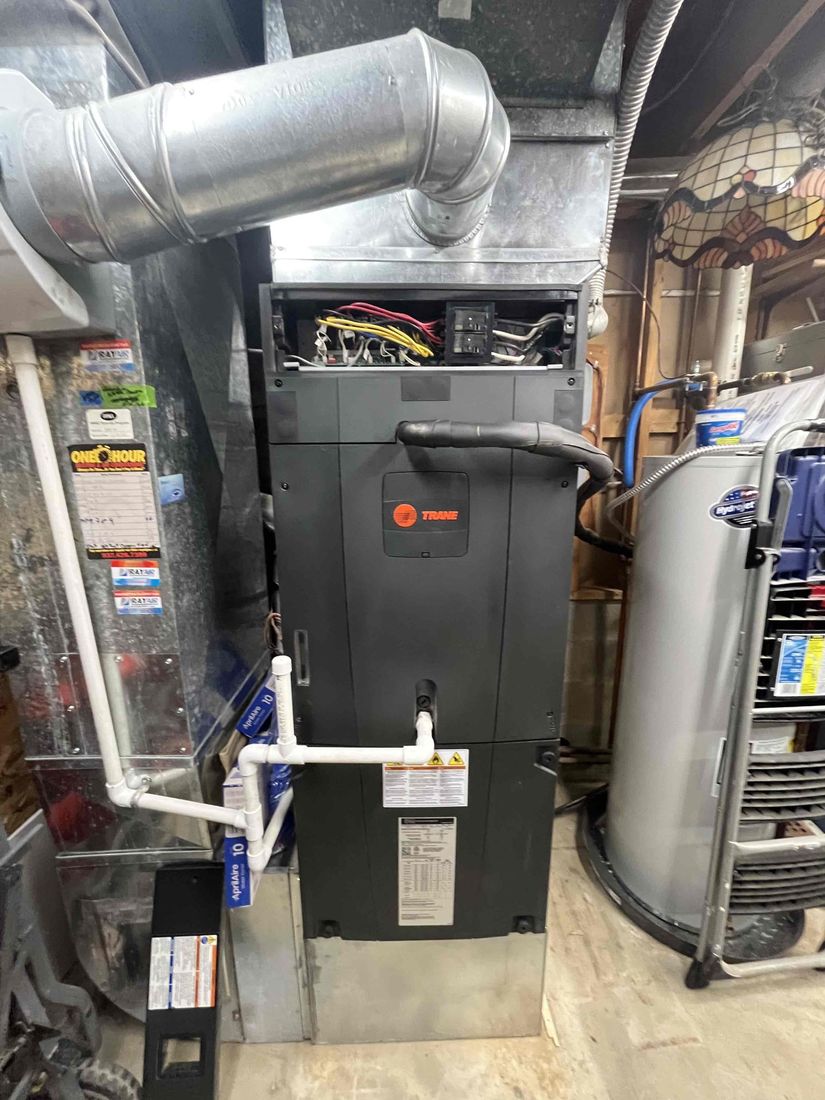
Every way a Riverside home stays warm.
Do you work on oil furnaces?
Yes. There are fewer around than there once were, but plenty are still running in the older housing here, and they are a genuinely different service call from gas: a nozzle and electrodes rather than a burner assembly, a filter and a pump on the fuel side, and soot that has to be cleaned out rather than left. They want annual service more than a gas furnace does, because a neglected oil burner sooties up and loses efficiency long before it stops working. What we do not take on is boilers or geothermal, so if your heat is hydronic you want a hydronic specialist rather than us.
The vents smell like burning dust when the heat first comes on.
That one is usually nothing. Dust settles on the heat exchanger over a summer of not running, and the first few cycles in autumn burn it off. It should fade within an hour or two of running and not come back. What is not normal is a smell that persists past that, a sharp electrical or plastic smell at any point, or anything like rotten eggs. The last one is the additive put into natural gas so you can smell a leak, and it means leave the house and call the gas utility before you call anyone else.
Where should carbon monoxide alarms actually go?
One on every floor, and one within about fifteen feet of each sleeping area, because the whole point is waking someone up. They do not need to be at floor level; carbon monoxide mixes with air rather than sinking. Keep them a few feet clear of the furnace itself so brief startup readings do not nuisance-trip them. Replace the units on the date printed on the back, because the sensor has a service life whether or not it has ever sounded. If one goes off and then stops, treat it as real and get the furnace checked.
The heat is out and it is the middle of the night. What now?
Check three things before you call, because one of them fixes it more often than people expect. The furnace switch, which looks like a light switch on or near the unit and gets knocked off. The breaker. And the filter, if it has been in longer than you can remember. If none of those does it, call. The line is answered at any hour, and a house losing heat in an Ohio January is not a call worth putting off until morning, both for the house and for the pipes in it.